Black Soldier Fly Protein: a Path to Innovation in Pet Food
Release date:
Nov 07,2026
Amidst the wave of innovation in the pet food industry, black soldier fly protein is emerging as an intriguing new ingredient. Research suggests that this insect protein not only offers a promising alternative to traditional animal protein but also provides a wealth of nutritional benefits and potential health benefits for pets. While human consumers remain hesitant about insect-based foods, dogs clearly need no convincing. In preference tests, dogs showed no significant difference in their acceptance of traditional and insect-based diets, demonstrating a natural adaptability to insect-based foods.
Since the first pet food brands launched products containing insect ingredients, consumer education has been key to driving market adoption. Researchers have consistently validated the nutritional value of insect protein through peer-reviewed scientific publications, demonstrating that these "six-legged animals" can be just as nutritious as traditional two- or four-legged counterparts. These findings provide pet food industry professionals with a strong rationale to strengthen consumer trust and expand market acceptance of insect-based pet foods.
A recent study published in the Italian Journal of Animal Sciences further supports the use of black soldier fly protein in pet food. This study explored the potential of black soldier fly larvae protein as a functional alternative to traditional animal proteins, such as chicken meal.
The researchers replaced chicken meal with black soldier fly protein at 0%, 7.5%, and 15% and incorporated it into extruded dog food formulations. They then evaluated the effects of these formulations on digestibility, palatability, blood biochemical parameters, and fecal microbiota in golden retrievers. The results showed that replacement with black soldier fly larvae protein at up to 15% had no negative impact on body weight, nutrient digestibility, fecal quality, or food preference.
Significantly, dogs fed the black soldier fly larvae protein showed significant increases in short-chain fatty acids, such as acetate and propionate, which are closely associated with healthy intestinal fermentation. Conversely, levels of potentially harmful branched-chain fatty acids decreased, indicating improved protein metabolism and fiber fermentation.
The study also found that the insect-based diet led to significant changes in the fecal microbiota, including elevated levels of Phascolarctobacterium, Megamonas, and Collinsella, bacteria associated with carbohydrate fermentation and health benefits. Furthermore, the addition of black soldier fly protein increased the relative abundance of Ligilactobacillus, suggesting a potential positive role for maintaining gut microbial balance.
The study also assessed blood parameters, including liver and kidney enzymes, cholesterol, and triglyceride levels. Results showed that all experimental groups remained within healthy ranges. Furthermore, no abnormal changes in immunoglobulin E (IgE) levels were observed, indicating that black soldier fly protein does not trigger immune responses associated with food sensitivities.
For pet food manufacturers, this study provides valuable data to help address consumer concerns about the nutritional value of insect protein. With growing scientific evidence supporting the viability of insect protein as a functional nutritional ingredient, the pet food industry is experiencing opportunities for new product innovation and marketing strategies.
This study not only validates the practicality of insect protein but also provides the pet food industry with scientific support to promote market acceptance. As the study results demonstrate, "dogs need no convincing," with their acceptance of both traditional and insect-based diets being comparable in preference tests, paving the way for the promotion of insect-based pet foods.
BLOG
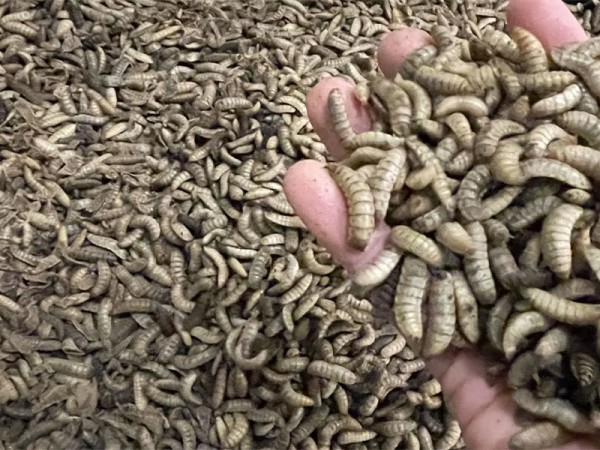
Key Advantages of Feeding Fur Animals with Defatted Black Soldier Fly Larvae Meal
I. High Protein, Low Fat—Ideal for Fattening Fur Animals and Promoting Long Fur Growth1. Defatted black soldier fly larvae meal contains 51%–55% crude protein and ≤15% fat. It features a balanced amin...
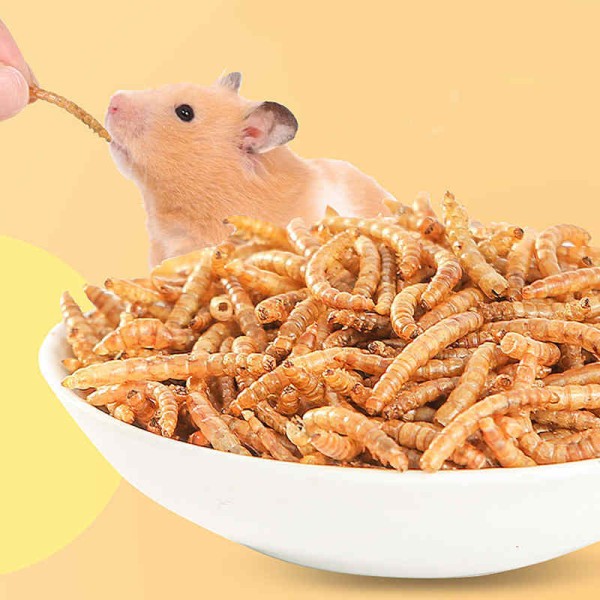
Core Advantages of Using Distillers' Grains Black Soldier Fly Defatted Insect Powder in Pet Food
Core Highlights: Superior nutrition, low allergens, easy digestibility, high palatability, safe and compliant, cost-effective, environmentally friendly, suitable for high-end pet foods, superior to or...
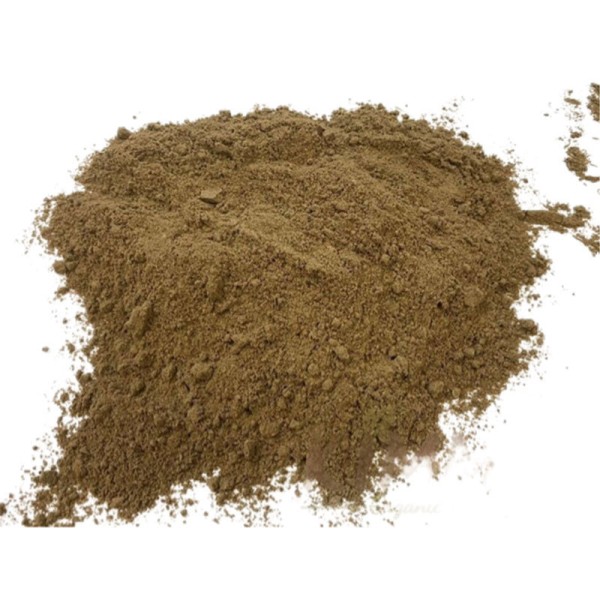
Summary of Core Functional Ingredients of Defatted Black Soldier Fly Powder
I. Chitin Content: 7%–9% (dry basis)Main Functions:1. Regulates intestinal flora, promotes the growth of beneficial bacteria, and inhibits harmful bacteria.2. Enhances non-specific immunity in animals...
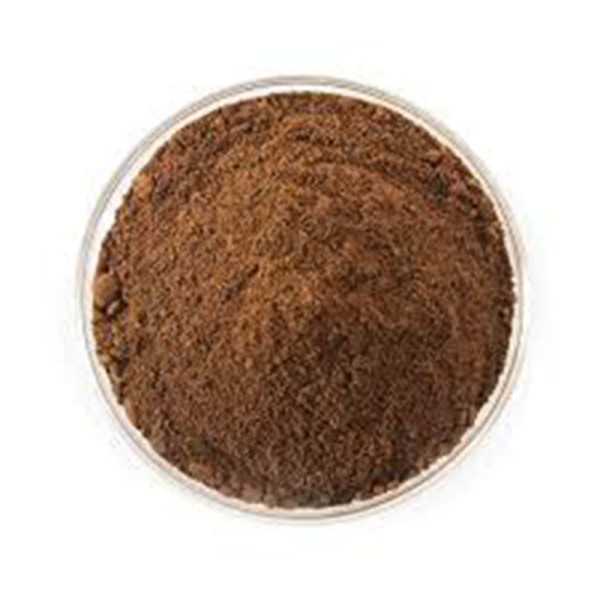
In aquaculture practice, fishmeal and black soldier fly larvae are not simply a matter of "one replacing the other," but rather a contest between the "gold standard" and a "functional challenger."Base...
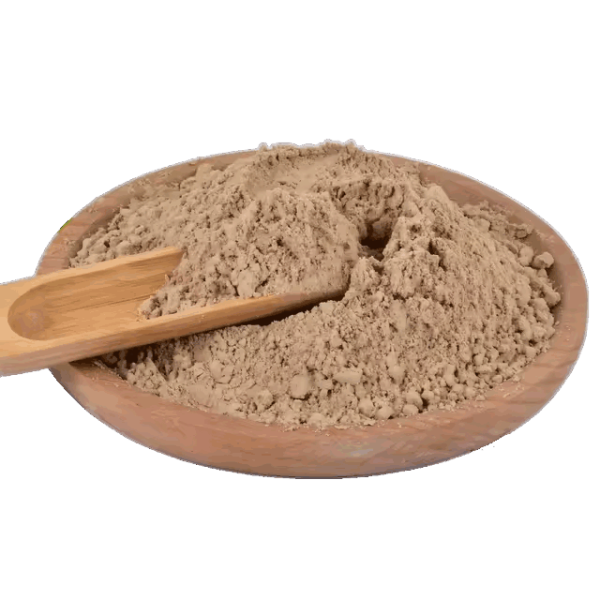
Functionality and Feeding Effects of Defatted Insect Meal
A comprehensive analysis of the functionality and feeding effects of defatted insect meal. In general, defatted insect meal is a functional feed ingredient that is high in protein, high in fat (even a...
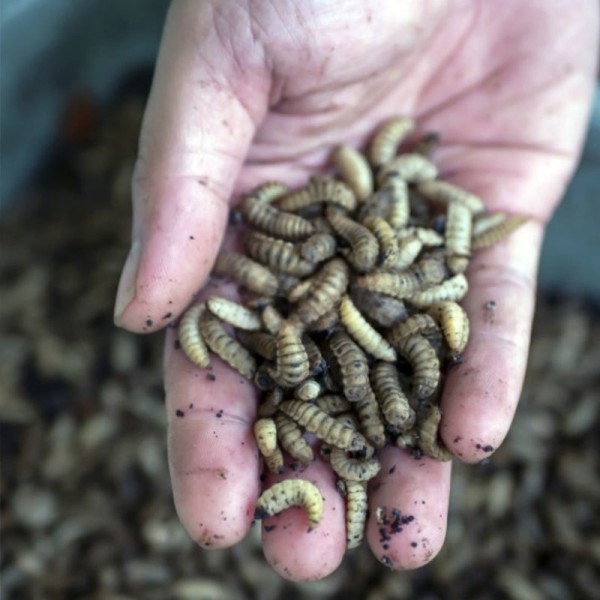
Black Soldier Fly Protein: a Path to Innovation in Pet Food
Amidst the wave of innovation in the pet food industry, black soldier fly protein is emerging as an intriguing new ingredient. Research suggests that this insect protein not only offers a promising al...
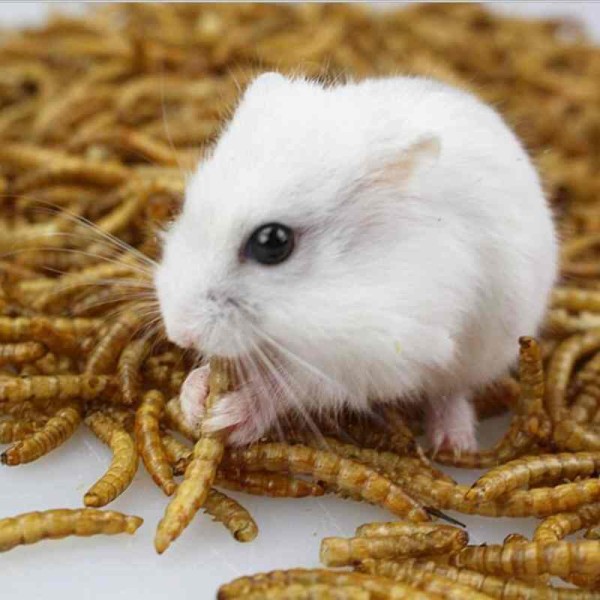
Mealworms, a nutritious insect resource, are gradually becoming the new favorite of the pet industry.Its protein content is as high as 49%~55%, and the types and proportions of amino acids are highly...